
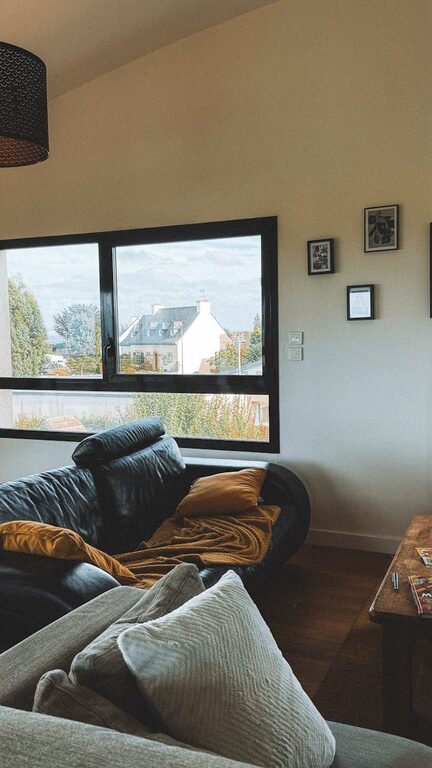
Creating a relaxing home environment is essential for maintaining your overall well-being. After a busy day, coming back to a peaceful space can help reduce stress, improve your mood, and promote restful sleep. In this post, we’ll explore practical tips to help you design a home that nurtures relaxation and supports your mental and physical health.
Why a Relaxing Home Environment Matters
Your living space greatly affects how you feel. Clutter, harsh lighting, and loud noises can make you feel anxious or tired. On the other hand, a calm and organized environment helps you unwind, think clearly, and recharge.
By intentionally creating a soothing atmosphere at home, you’re investing in your quality of life. It doesn’t require a complete makeover—small changes can make a big difference.
Start with Decluttering and Organizing
A cluttered home often leads to a cluttered mind. When your belongings are scattered, it’s harder to relax.
– Clear surfaces: Keep countertops, tables, and floors free from unnecessary items.
– Use storage solutions: Invest in baskets, shelves, or boxes to neatly store items.
– Create routines: Spend 5-10 minutes daily tidying to prevent buildup.
– Let go: Donate or recycle things you no longer need or use.
An orderly space feels more open and inviting, making it easier to settle down and breathe.
Choose Soothing Colors
Colors impact mood and energy levels. Soft, neutral tones like beige, light gray, and pastels tend to create a calm vibe.
– Avoid bright or harsh colors in spaces where you want to relax, such as bedrooms or living rooms.
– Incorporate nature-inspired hues like greens and blues to evoke tranquility.
– Use accents: Add color through pillows or artwork if you want some brightness without overwhelming the room.
Finding a palette that feels restful to you can enhance comfort and peace.
Optimize Lighting for Comfort
Lighting influences how your body reacts. Bright, cold lighting can stimulate, while warm, dim lighting soothes.
– Maximize natural light: Open curtains during the day to invite sunlight.
– Use warm bulbs: Choose lamps or light fixtures with soft white or warm light for evenings.
– Add layers: Combine ceiling lights, floor lamps, and candles to create a cozy atmosphere.
– Consider dimmers: Adjust lighting levels to suit your mood and tasks.
Comfortable lighting helps your body relax and prepares you for restful sleep.
Incorporate Natural Elements
Bringing elements of nature indoors has a calming effect and can boost your mood.
– Add plants: Houseplants improve air quality and add a touch of life.
– Use natural materials: Wood, stone, cotton, and linen add warmth and texture.
– Display natural decor: Seashells, stones, or botanical prints connect you with the outdoors.
– Enjoy fresh air: Open windows regularly to refresh your space.
These touches create a sense of balance and well-being.
Create Comfortable Spaces for Rest and Relaxation
Designate areas specifically meant for relaxation and self-care.
– Set up a reading nook: Use a comfortable chair with good lighting and soft blankets.
– Add cozy textiles: Pillows, throws, and rugs add comfort and softness.
– Limit electronics: Keep TV and phones out of relaxation zones to reduce distractions.
– Use aromatherapy: Essential oils like lavender or chamomile can enhance calmness.
Having dedicated spots to retreat to encourages regular rest and mindfulness.
Manage Noise for Peaceful Surroundings
Noise can interrupt your relaxation and increase stress.
– Soundproof: Use rugs, curtains, or wall hangings to absorb sound.
– Consider white noise: Machines or apps can mask disruptive background noise.
– Create quiet hours: Establish times when noise is minimized in your home.
– Use natural sounds: Playing gentle sounds like rain or birdsong may soothe you.
Minimizing noise helps you feel grounded and focused on relaxation.
Personalize Your Space to Reflect You
Your home should feel like a sanctuary that reflects your personality and preferences.
– Display meaningful items: Photos, artwork, or souvenirs that bring joy.
– Choose scents you love: Candles or diffusers can create a welcoming atmosphere.
– Incorporate hobbies: Leave space for activities like yoga, journaling, or crafting.
– Keep it simple: Avoid overcrowding with things you don’t love or use.
When your space resonates with who you are, it naturally feels more relaxing.
Practice Mindful Habits at Home
A relaxing environment is also supported by mindful routines.
– Establish a wind-down routine: Stretch, meditate, or read before bed.
– Limit screen time: Turn off devices at least an hour before sleeping.
– Engage your senses: Drink herbal tea, listen to soothing music, or light candles.
– Be intentional: Spend time appreciating your space and the calm it offers.
Pairing your surroundings with calming habits maximizes your well-being.
Final Thoughts
Creating a relaxing home environment doesn’t need to be complicated or expensive. By decluttering, choosing calming colors and lighting, incorporating nature, and setting up cozy spaces, you can transform your home into a peaceful retreat. Remember that your home should be a reflection of your comfort and well-being. Take small steps toward relaxation, and enjoy the positive impact on your daily life.